
Amazon Sensory Favorites (2026 Picks)
Expert-curated picks by sensory need and real-world use. Great for parents, therapists, educators, and sensory seekers.
Quick Picks (Compare at a Glance)
| Need | Top Pick | Why it works | Amazon |
|---|---|---|---|
| Tactile (calming + fine motor) | Premium Kinetic Sensory Sand Kit | Moldable, low-mess play boosts touch exploration and hand strength. | View → |
| Fidget / On-task | Fidget Variety Pack | Mix of textures and motions to match different regulation needs. | View → |
| Deep pressure (seated work) | Weighted Lap Pad | Grounds fidgety legs; great for homework, car rides, and circle time. | View → |
| Visual calm | Bubble Lamp / Galaxy Projector | Soothing motion/light for wind-down and sensory rooms. | View → |
| Noise reduction | Kids’ Noise-Canceling Headphones | Helps manage loud spaces; supports focus and comfort. | View → |
| Vestibular input | Indoor Pod/Compression Swing | Rhythmic movement + gentle pressure for regulation. | View → |
Tactile Sensory Picks

Kinetic Sensory Sand Kit
Low-mess tactile play that builds hand strength and supports calm focus.
Read more Sensory Sand Play

Fidget Toy Variety Pack
Textures, squish, spin, and stretch – match the moment without overbuying.
See Quiet Fidget Toys for classroom and workplace friendly options

Chewable Necklace
Oral-motor regulation with safe, food-grade materials; discreet for school.
See the full Oral Sensory Tools Guide
Visual Sensory Picks

Sensory Bubble Lamp
Calming motion and light for bedtime and sensory corners.
All about Sensory Lamps

Galaxy Projector Night Light
Soothing starscapes; dimmable for gentle visual input.
View the Sensory Projectors Page
Auditory Sensory Picks

Noise-Canceling Headphones (Kids)
Ease loud spaces like cafeterias, malls, and events.
See the full Sensory Headphones Guide

White Noise Sound Machine
Portable calming for sleep, travel, or study.
All about White Noise Machines
Vestibular & Movement Picks
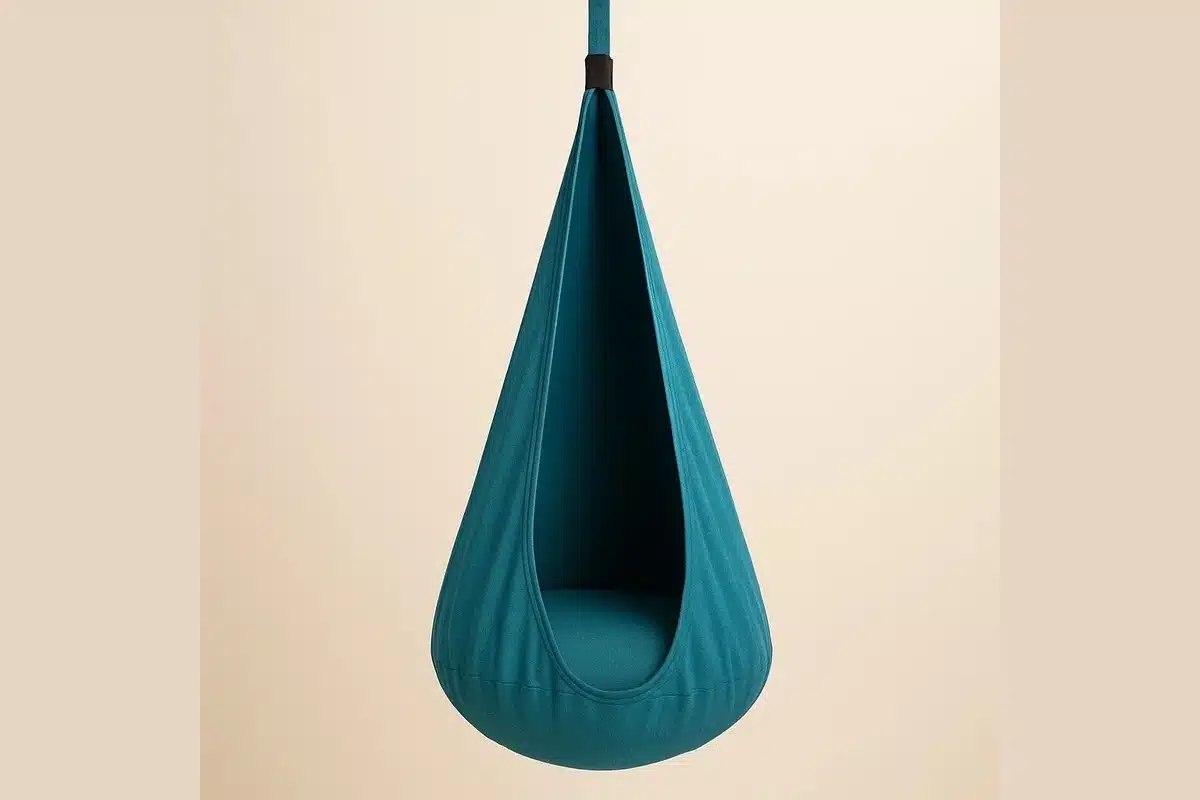
Indoor Pod / Compression Swing
Rhythmic movement plus gentle pressure for regulation.
Find the right sensory swing Compare Sensory Swings

Balance Board Rocker
Builds balance, core strength, and controlled movement.
See the full Balance Board Guide
Deep Pressure & Body Awareness

Weighted Lap Pad
Great for seated tasks, car rides, and the classroom.
View the full Weighted Lap Pad Guide

Compression Vest (Kids)
Consistent gentle pressure; discreet under clothing.
Compare compression/weighted options Weighted Supports Comparison

Body Sock
Full-body resistance for proprioceptive input and playful calm.
Full Body Sock (Sensory sock) Guide
On-the-Go Kits
Create a pocket-sized regulation kit for errands, travel, and school.
Mini Calm Kit (fits in a pencil case)
- Small fidgets (spinner, marble maze, zipper bracelet)
- Chewable pendant or pencil toppers
- Earplugs or low-profile ear defenders
- Slim zip pouch
Travel Sensory Kit (car or plane)
- Weighted lap pad or travel blanket
- Visual light with dim setting
- Compact sound machine with headphone jack
- Hard-shell case
Classroom-Friendly Tools
- Chair bands for quiet leg movement
- Flat marble mazes (silent fidgets)
- Therapy putty for hand strength at desks
- Visual timers for transitions and routines
Tip: Choose quieter fidgets and set expectations – tools help focus, they’re not toys during instruction.
Teens & Adults
Work & Study
Rest & Regulation
- Weighted blanket with removable cover
- Compression shirt/hoodie
- Smart sound machine
Frequently Asked Questions
What are the best starter sensory tools?
Start with a fidget variety pack, a weighted lap pad, and a calming visual light. This trio covers tactile, deep-pressure, and visual input for most beginners.
Are these picks appropriate for classrooms or therapy?
Yes – many are classroom- and clinic-friendly. Prioritize quiet tools, follow age guidance, and supervise. Introduce new items gradually.
Do I need a diagnosis to use sensory tools?
No. Sensory tools can support regulation and comfort for anyone. For individualized plans, consult an OT.
How long should a sensory session last?
Begin with short sessions (2-5 minutes for active tools; 10-15 minutes for calming tools). Observe the user’s regulation and adjust.
What if I rent and can’t mount equipment?
Pick no-mount solutions like free-standing frames, doorway bars, balance boards, or portable tools.
Weighted vs. compression: which should I choose?
Compression gives consistent snug pressure with stretch fabric; weighted adds mass. Many users like both, depending on activity and preference.
How do I clean and maintain items?
Follow the product label. Wipe silicone/plastic with mild soap; wash removable covers; inspect seams and hardware periodically.